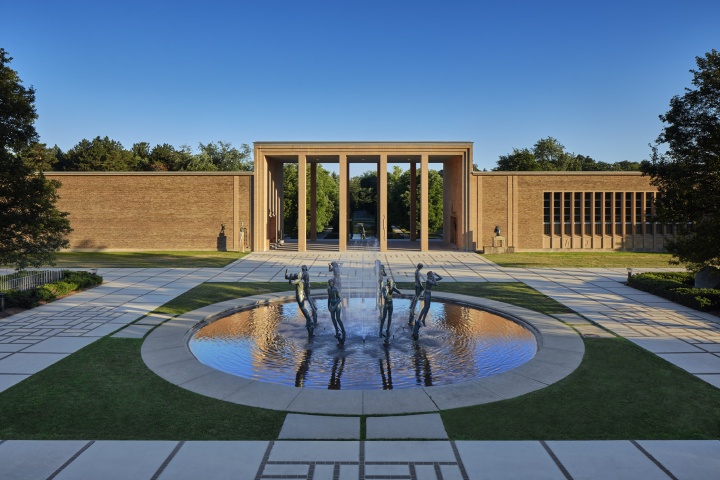
Orpheus Fountain and Peristyle between Cranbrook Art Museum (left) and Cranbrook Academy of Art Library (right). Photo by James Haefner.
Cranbrook at SNAG 2026
The Society of North American Goldsmiths (SNAG) is hosting its annual conference in Detroit this year from June 11–13, 2026. This year’s conference theme is Labor & Legacy, and it explores jewelry and metalwork as both practice and inheritance—honoring the labor of makers and their commitments to sharing knowledge. Below is a list of Cranbook-connected events to follow or join in conjunction with the conference.
Of note is a special “Sunday at Cranbrook” on June 14 for those who can extend their trip for a full day of programs at Cranbrook.
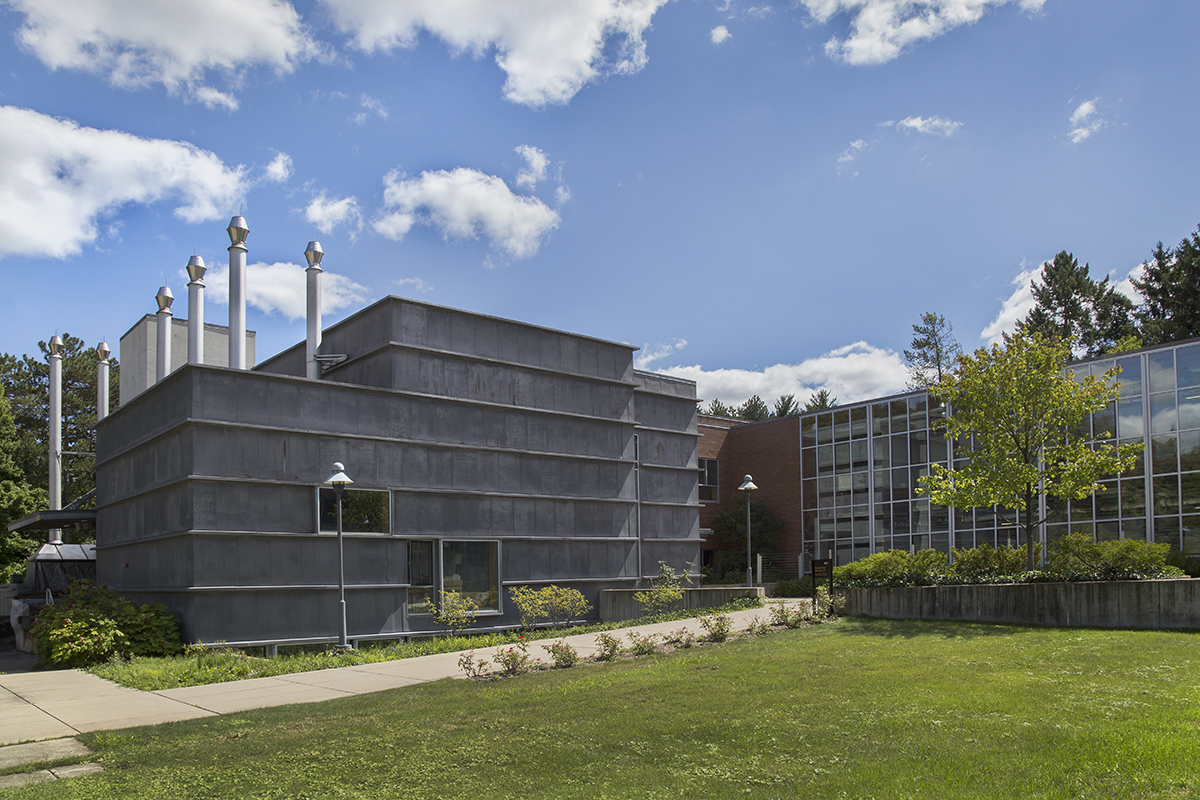
Ralph Moneo "New Studios" Building at Cranbrook Academy of Art. Photo by PD Rearick.
Post-Conference in Bloomfield Hills
Post-Conference in Bloomfield Hills
Sunday at Cranbrook - June 14
Explore Cranbrook’s National Historic Landmark campus, visit SNAG x Detroit-exclusive Cranbrook Academy of Art exhibitions plus Cranbrook Art Museum’s current exhibitions, and join free lectures at Cranbrook’s deSalle Auditorium in the afternoon.
Both SNAG attendees and the general public are invited to join us for the following exhibitions and lectures:
All day (9am-6pm): Explore exclusive Cranbrook Academy of Art exhibitions in the Metalsmithing department and library. Cranbrook Art Museum admission (11am-5pm) will be pay-as-you-wish for all, as some galleries are in transition.
In the afternoon (12:30-2:15pm): SNAG attendees and the general public can attend multiple lectures for free.
Bus transportation will be available for SNAG attendees at 8:30am and 11am, with a return at 4pm to Wayne State University. SNAG Attendees, please visit the SNAG website to register for the optional morning session, including a tour and lunch.
Review details of the Sunday at Cranbrook program below:
Sunday at Cranbrook Public Exhibitions and Lectures Details
In Detroit
In Detroit
The Poetics of Specific Labor: Portraits and Poems
Gallerie Camille: 4130 Cass Ave suite c, Detroit, MI 48201
June 10–July 3, 2026
Opening Reception: Friday, June 12, 5–9pm
This project is built from voices speaking about labor. From people describing what they do, again and again, over time. Precise tasks. Repeated gestures. Decisions learned through years of practice rather than explanation.
For Antonio Gramsci, self-awareness is formed through work: through repetition, discipline, and the sustained engagement of mind and body with material tasks. Labor is not simply what is done, but a process through which consciousness takes shape.
Fascination emerges in the smallest adjustment: the exact pressure, the correct angle, the moment one learns when to stop. Specificity is not an aesthetic choice added at the end; it is a form of knowledge produced through labor. In jewelry, as in many forms of making, nothing begins from zero.
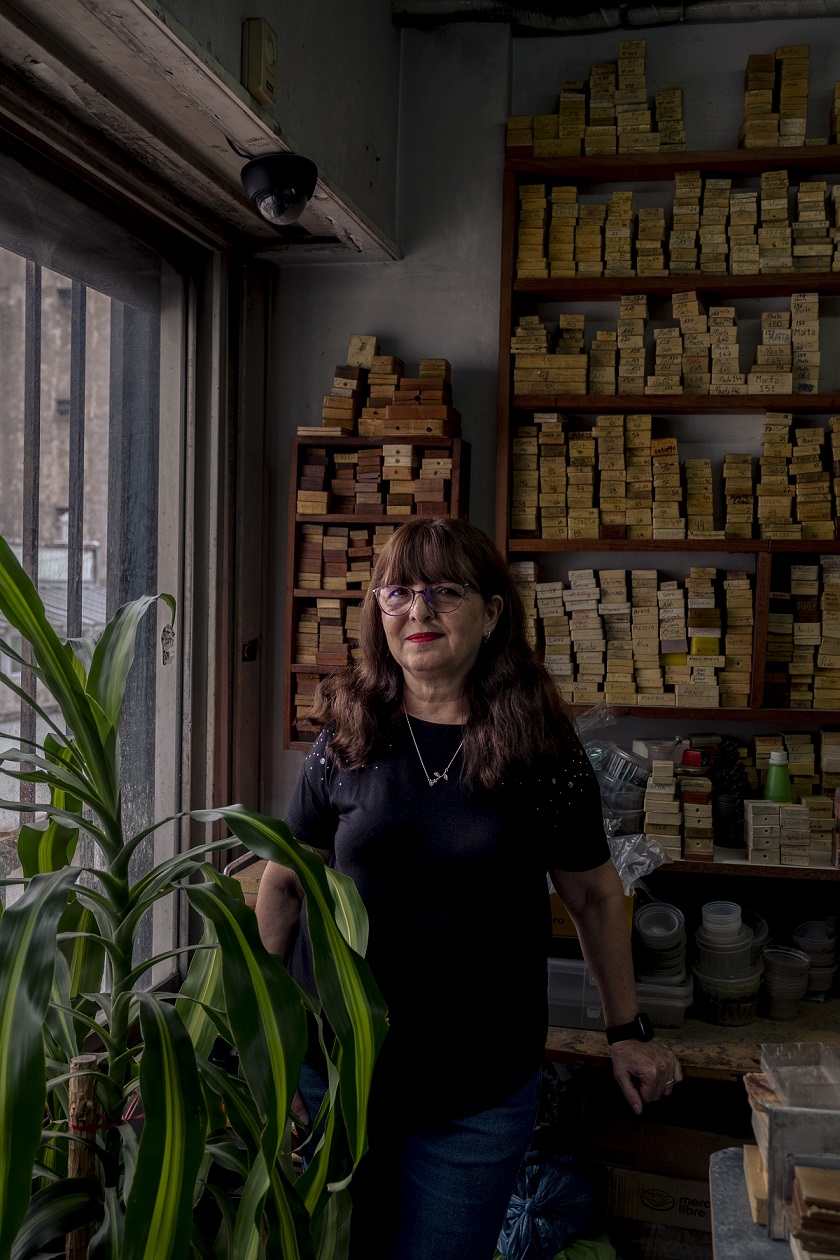
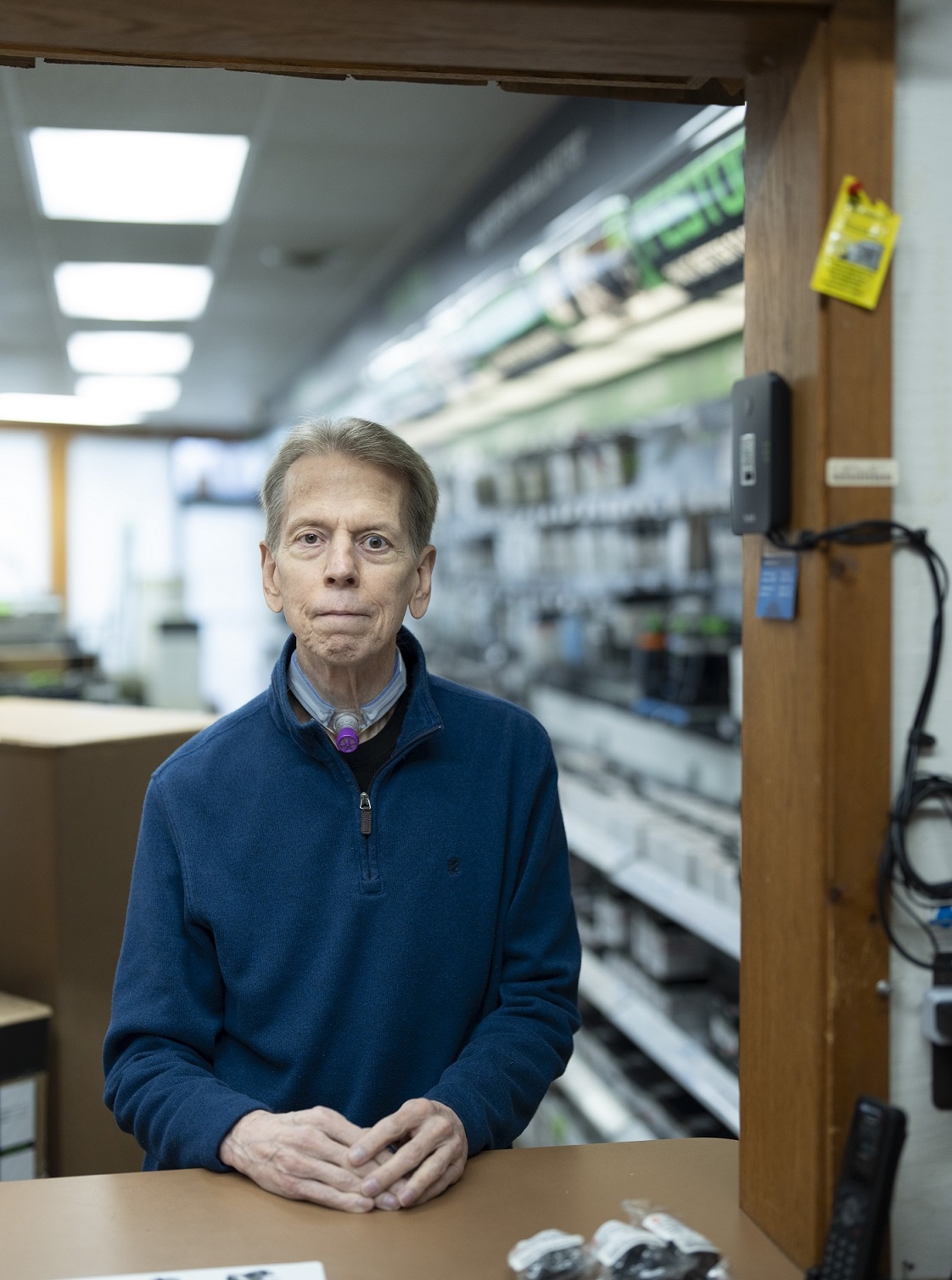
We work with materials already shaped by other hands. A network of labors sustains our practice: preparing metal, rolling and bending it, repairing tools, sustaining precision. Our work rests—knowingly or not—on this accumulated labor. Through a series of portraits by Detroit-based Eric Perry and Italian photojournalist Erica Canepa, this project listens to what happens when someone speaks about their specific labor : what occupies the mind, what sharpens over time, what remains.

In Detroit
In Detroit
Belts & Buckles - From One Country of North America and One Country of South America
Gallerie Camille: 4130 Cass Ave suite c, Detroit, MI 48201
June 10–July 3, 2026
Opening Reception: Friday, June 12, 5–9pm
This exhibition focuses on the belt buckle as a shared typology across cultures and histories—functional, relational, and deeply embedded in daily life. It brings together jewelers based in the United States, many connected to Cranbrook Academy of Art, and students from Taller Eloi in Buenos Aires, a school with a long-standing collaboration with Cranbrook. The works explore function, identity, and connection, reminding us that even modest objects can hold things—and people—together.
In Detroit
In Detroit
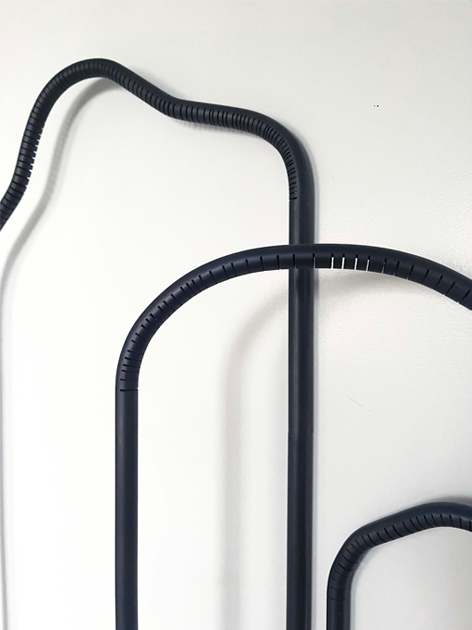
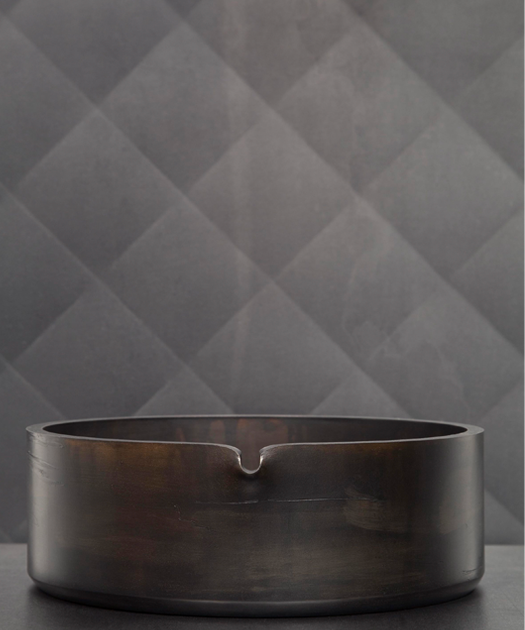
Metal Labor: Recent works by Alberte Tranberg and Adam Shirley
Wasserman Projects: 3434 Russell St #502, Detroit, MI 48207
May 16–July 7, 2026
Opening Reception: Friday, June 12, 4–9pm
Metal Labor brings together recent works by Alberte Tranberg (MFA Metalsmithing) and Adam Shirley (MFA Metalsmithing), two artists whose practices engage deeply with metal as a site of labor, time, and material decision-making. Shown within the context of SNAG and hosted by Wasserman Projects, the exhibition connects individual studio practices to broader conversations about making, effort, and value in contemporary jewelry and metal.
Rather than approaching metal as a neutral medium, both artists foreground labor as an active and visible component of the work. Processes such as cutting, bending, joining, and repeating are not hidden but allowed to remain present, shaping both form and meaning. In this sense, labor is not only a means to an end, but a way of thinking through material.
Presented together, the works create a dialogue around different approaches to metalwork—ranging from precision and control to repetition, accumulation, and wear. The exhibition proposes labor as a shared ground, while allowing distinct positions to emerge through material choices, scale, and process.
Emily Culver
In Detroit
In Detroit
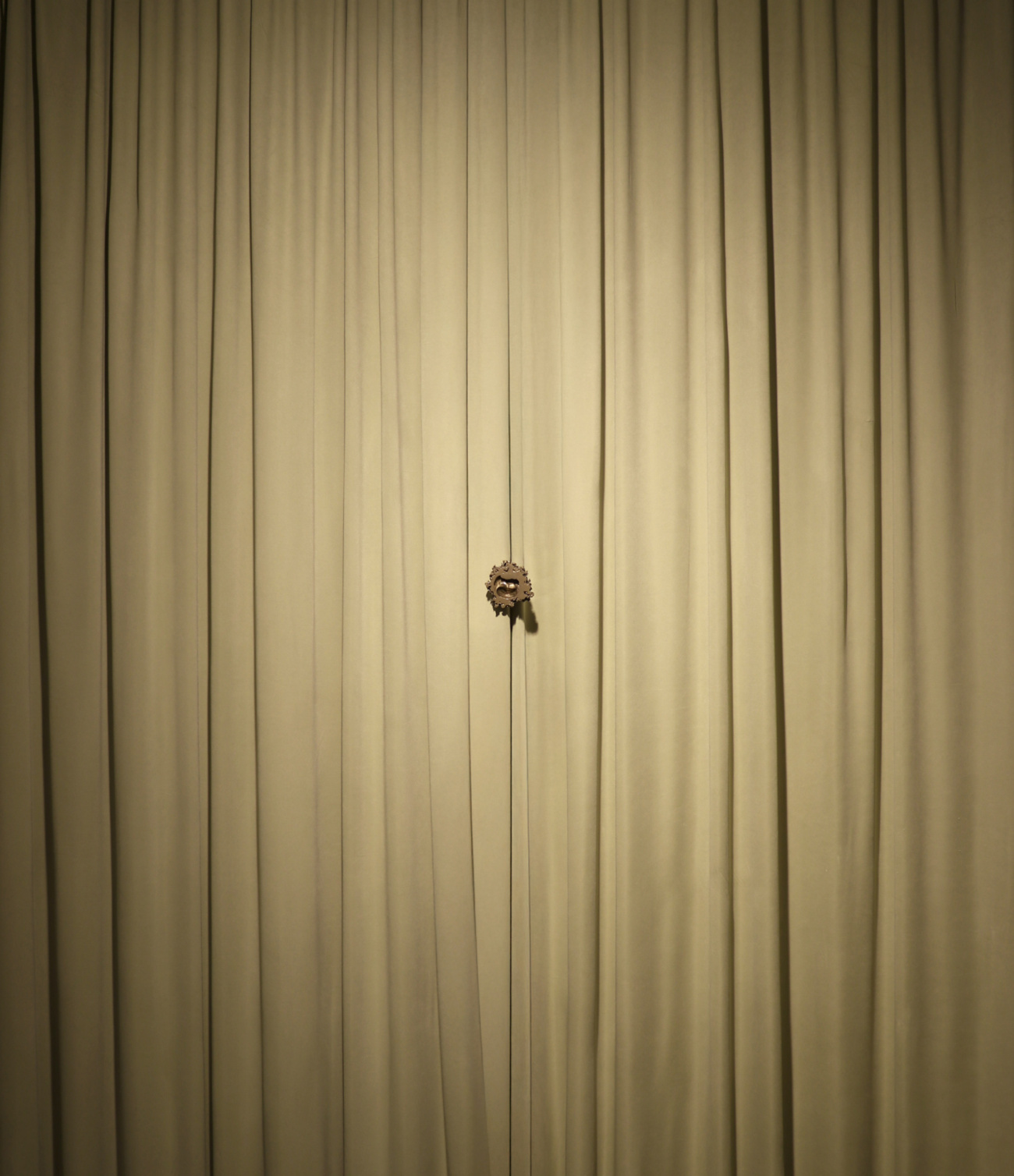
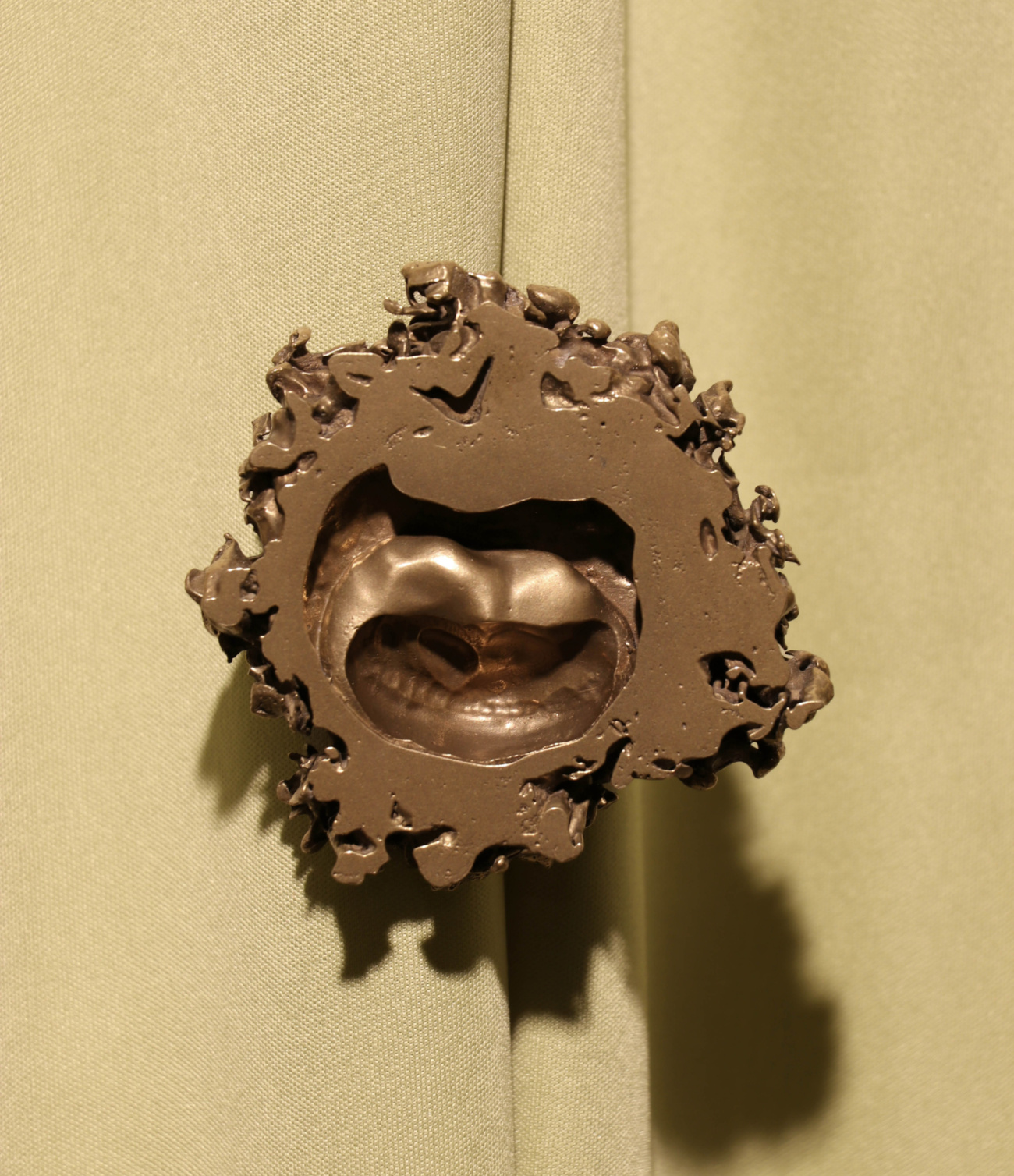
Neo Natal: A Sculptural Soundscape Installation by Emily Culver
Unit 1: 3583 Dubois St., Detroit, MI 48207
June 10–June 13, 2026
Opening Reception: Wednesday, June 10, 3–6pm
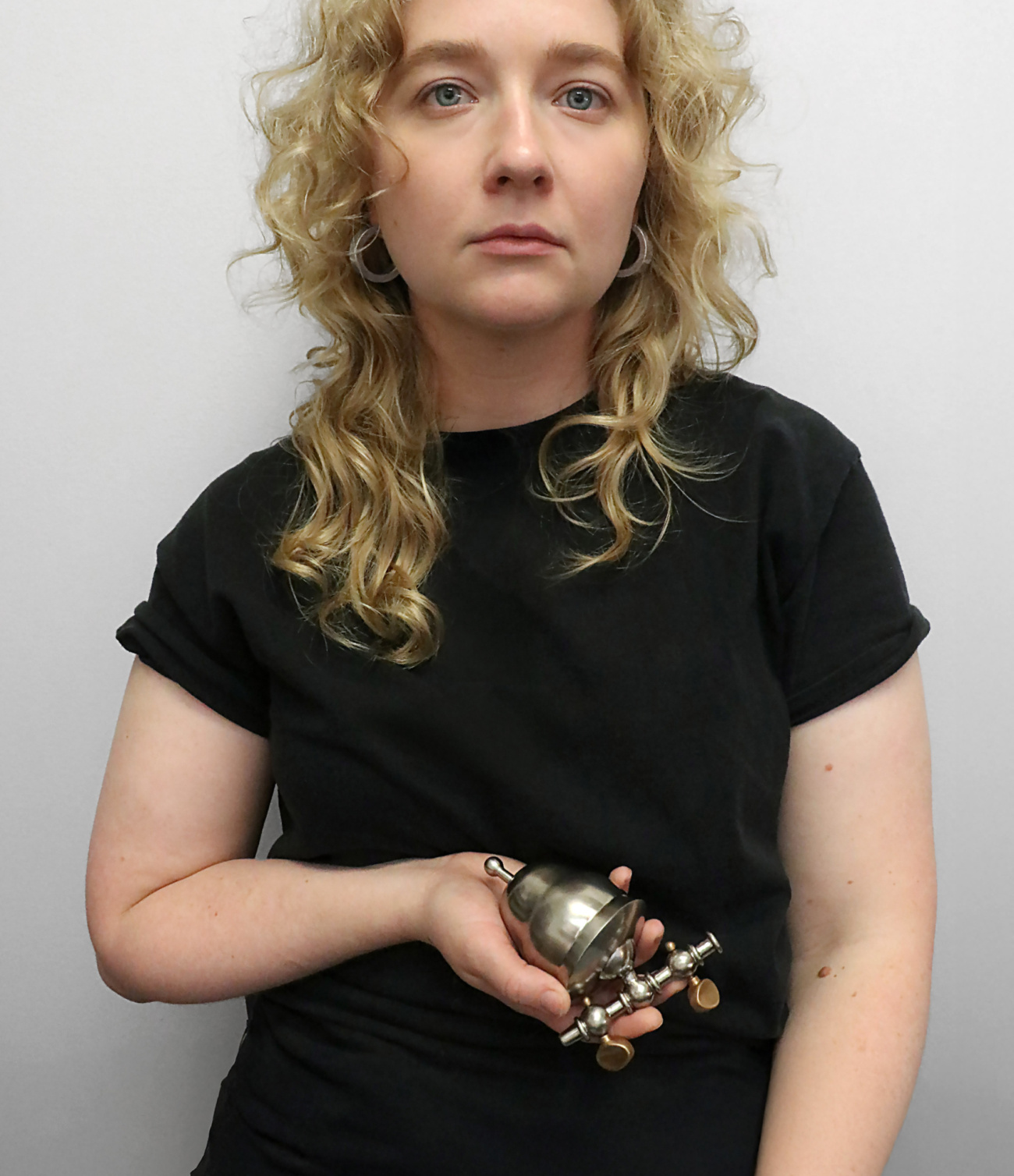
Neo Natal is a sculptural soundscape installation by Cranbrook alumna and metalsmith Emily Culver that explores the slippage of bodily and spatial architectures.
Emily Culver creates sculptures and objects that explore notions of intimacy, gender, and identity through corporeal qualities. Her work considers how interactions between objects are translated and mutated by negotiations with the body.
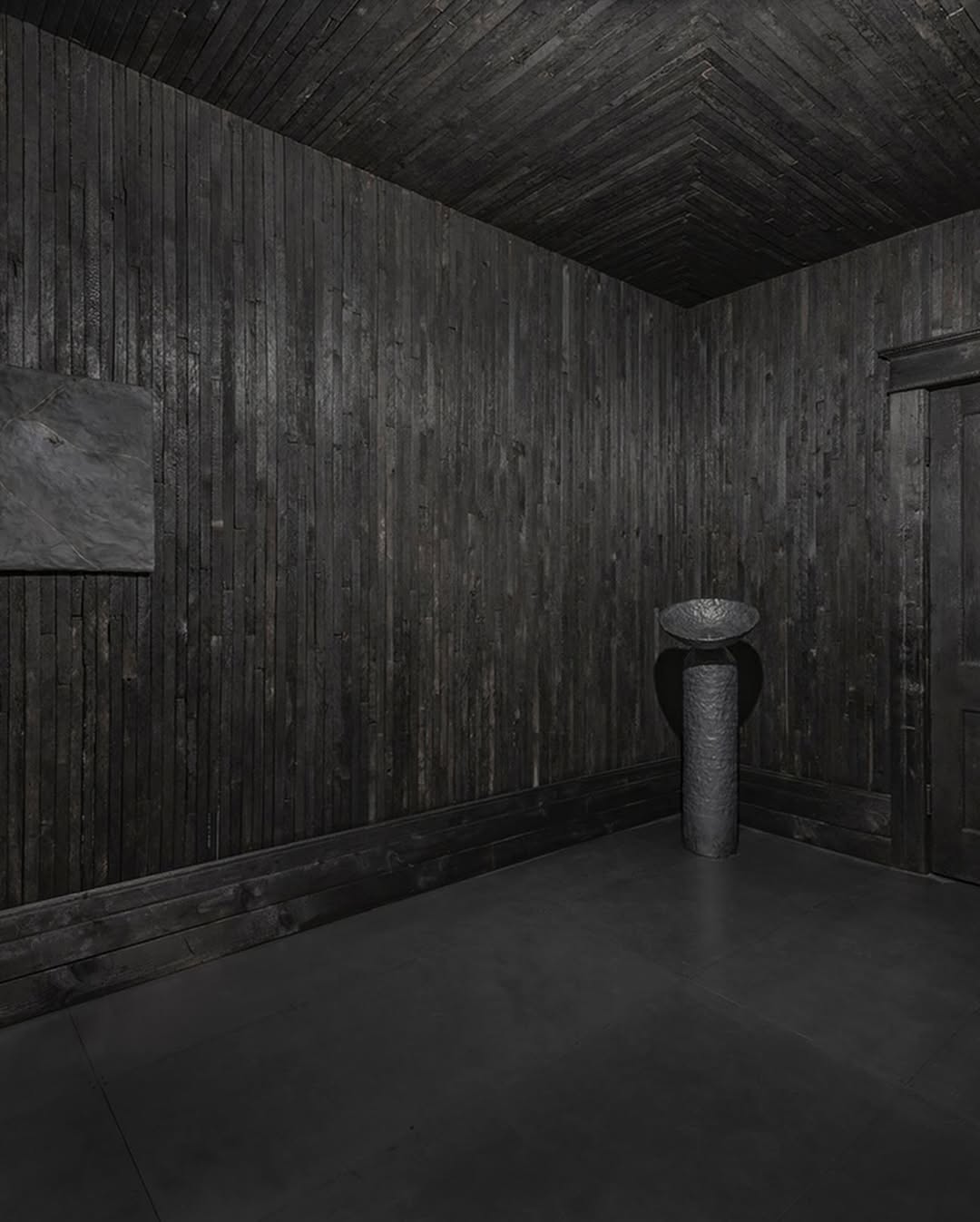
Unit 1 installation detail. Courtesy of the artist.
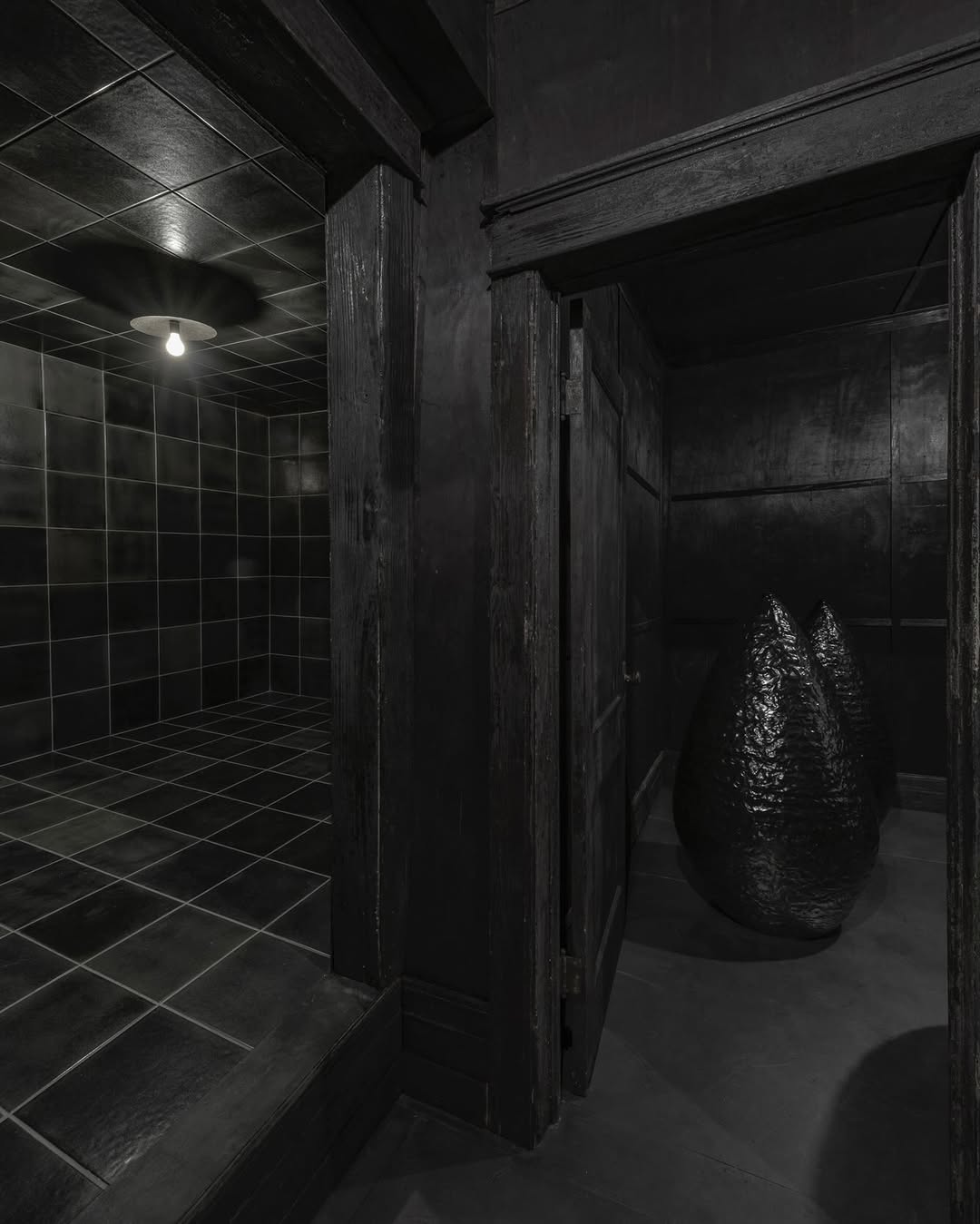
Unit 1 installation detail. Courtesy of the artist.
In Detroit
In Detroit
Unit 1: 3583 Dubois
Unit 1, 3583 Dubois St., Detroit, MI 48207
June 10–June 13, 2026
Opening Reception: Wednesday, June 10, 3–6pm
Unit 1: 3583 Dubois is a site-specific art installation inside an apartment in Detroit by Anders Herwald Ruhwald.The interior appears as if it has been ravaged by fire, yet on closer inspection reveals a carefully constructed environment made of wood, metal, glass, and glazed ceramic. The installation explores fire as a transformative force—both destructive and constructive—within the domestic and the intimate.
Anders Herwald Ruhwald is a sculptor and installation artist whose practice is rooted in ceramics.
More Cranbrook Artists at SNAG x Detroit 2026
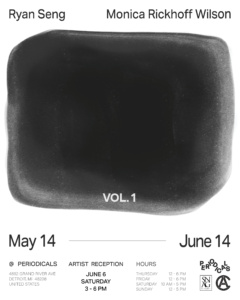
VOL 1
Periodicals, 4892 Grand River Ave
On View: June 4 -28, 2026. Artist Reception: Saturday, June 4, 3 to 6pm.
Through the body and domestic environment, Ryan Seng (MFA Metalsmithing 2026) and Monica Rickhoff Wilson’s (MFA Metalsmithing 2026) works consider relationships among mundane, industrial, and precious materials.
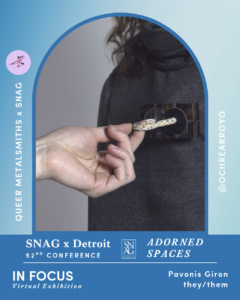 IN FOCUS (Virtual)
SNAG and Queer Metalsmiths’ Websites
Launches online June 10, 2026, permanently on view.
A curated digital showcase dedicated to spotlighting BIPOC and 2SLGBTQIA+ artists from underappreciated communities who are redefining the future of jewelry and metalsmithing.
Participating Academy artists: Curtis Arima (MFA Metalsmithing 2002), Pavonis Giron (Metalsmithing 2027), Ryan Seng (MFA Metalsmithing 2026)