The legacy of Cranbrook Academy of Art is evident in the buildings that make up its remarkable campus. Our graduates often say that their time here is spent “living in a design storybook.” The community is a 319-acre campus located just outside of Detroit, Michigan, filled with woods, lakes, streams, landscaped courtyards, and thoughtfully-constructed buildings.
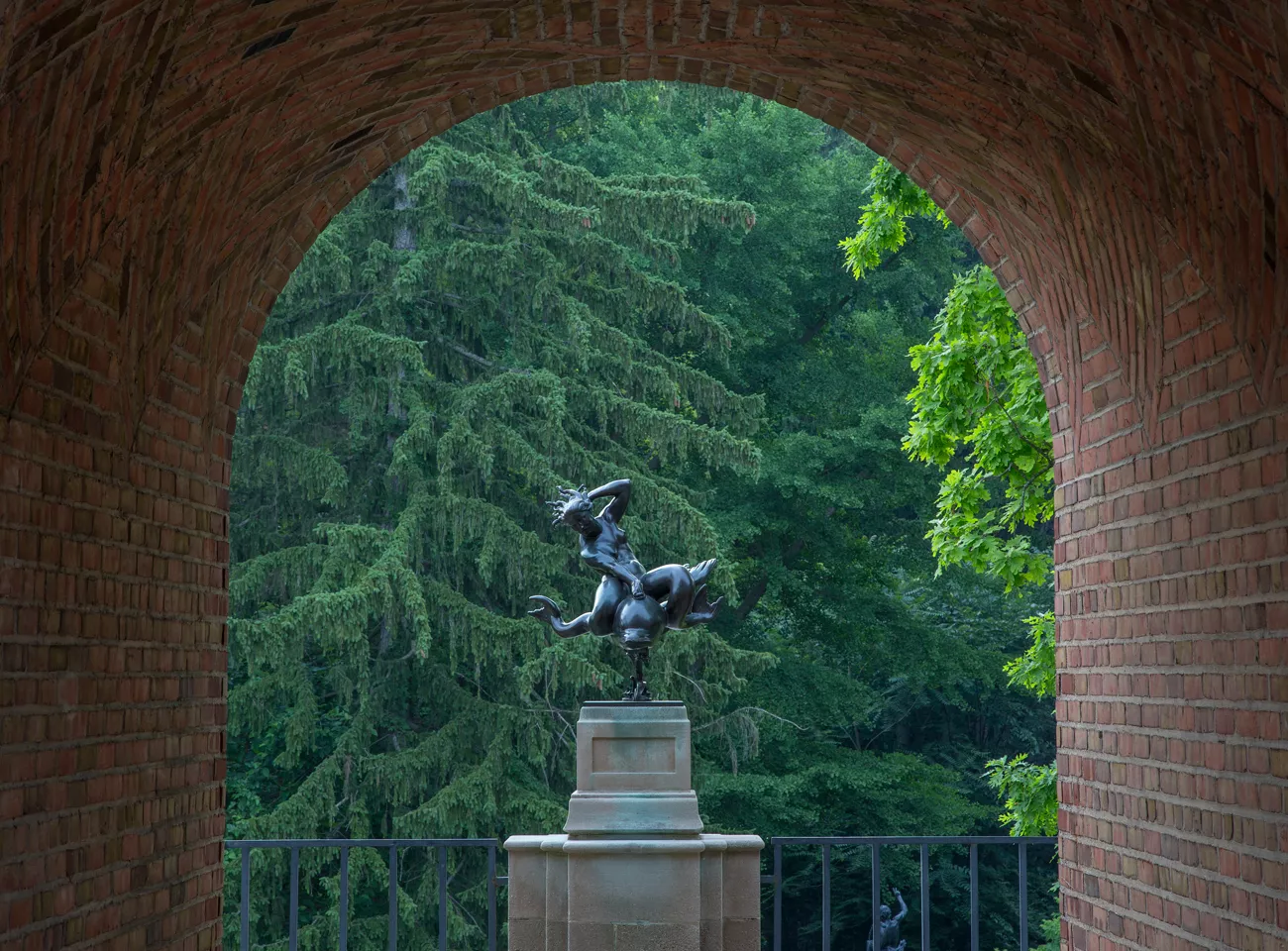
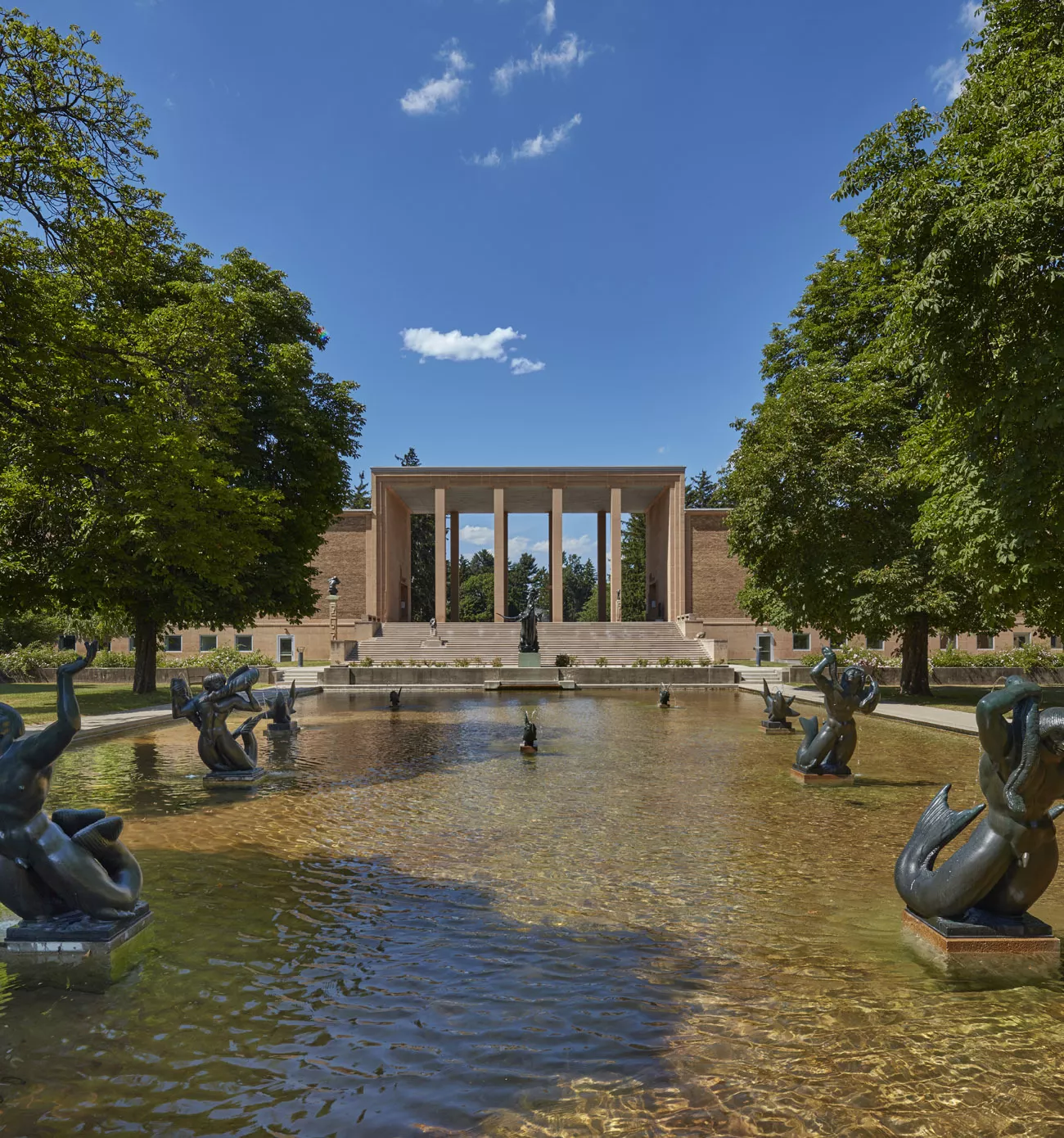
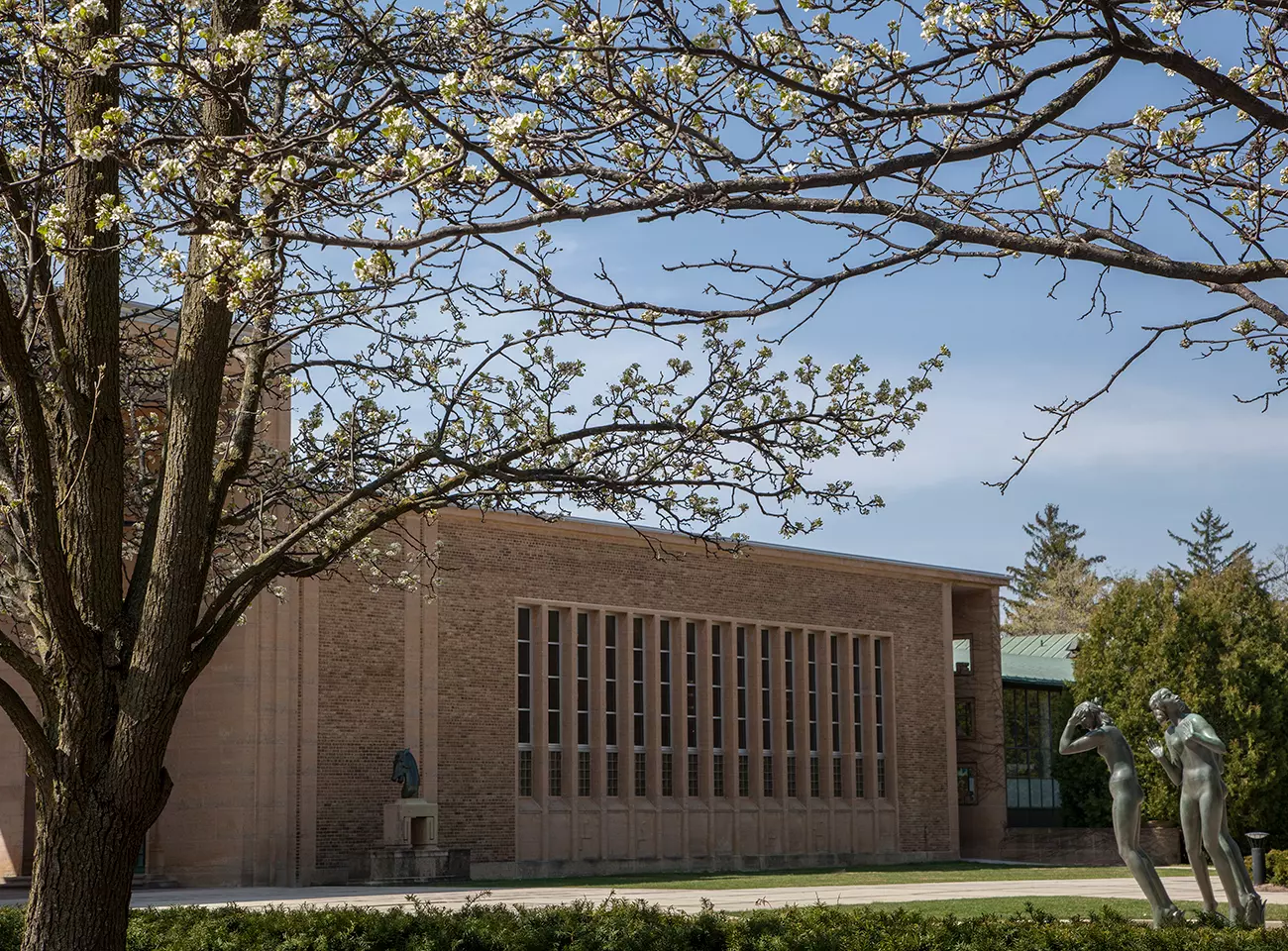
Cranbrook Campus
Cranbrook Campus
“One of the greatest campuses located anywhere in the world,” The New York Times, 1984.
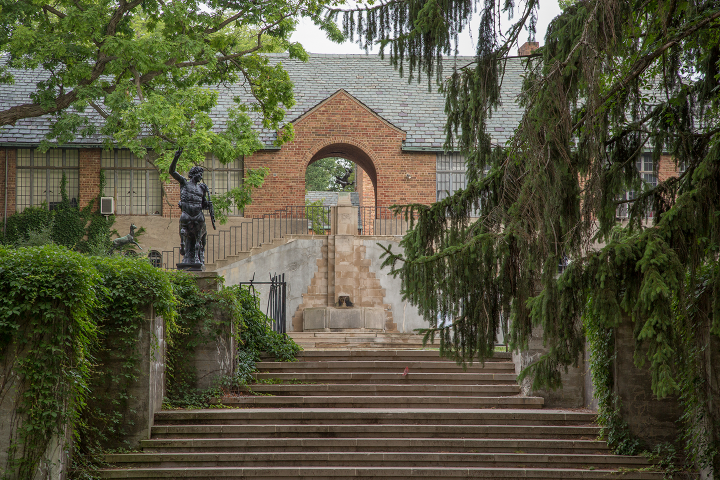
Entrance to the Maija Grotell Courtyard. Photo by PD Rearick.
Founded by Detroit newspaper baron George G. Booth and designed by Finnish architect Eliel Saarinen (father to Eero), the men came together over a shared appreciation of the Arts and Crafts style.
Both men felt that craftsmanship would result in superior products and provide the foundation for an ethically responsible life. Saarinen designed the campus as a true artist’s colony. Our students move from building to building through doors, archways, and courtyards that have been constructed for inspiration. Each vista is considered, and each pathway unique.
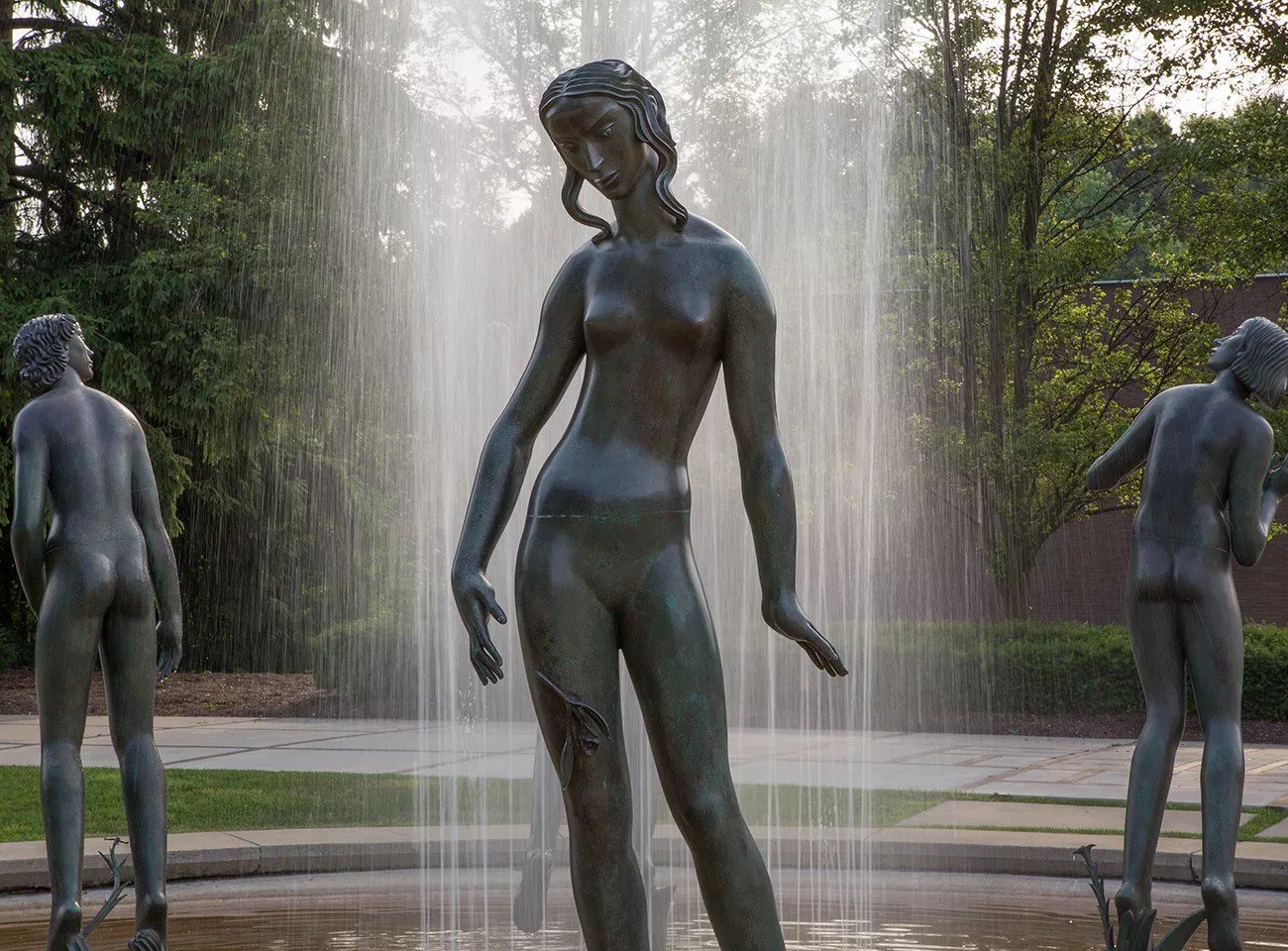
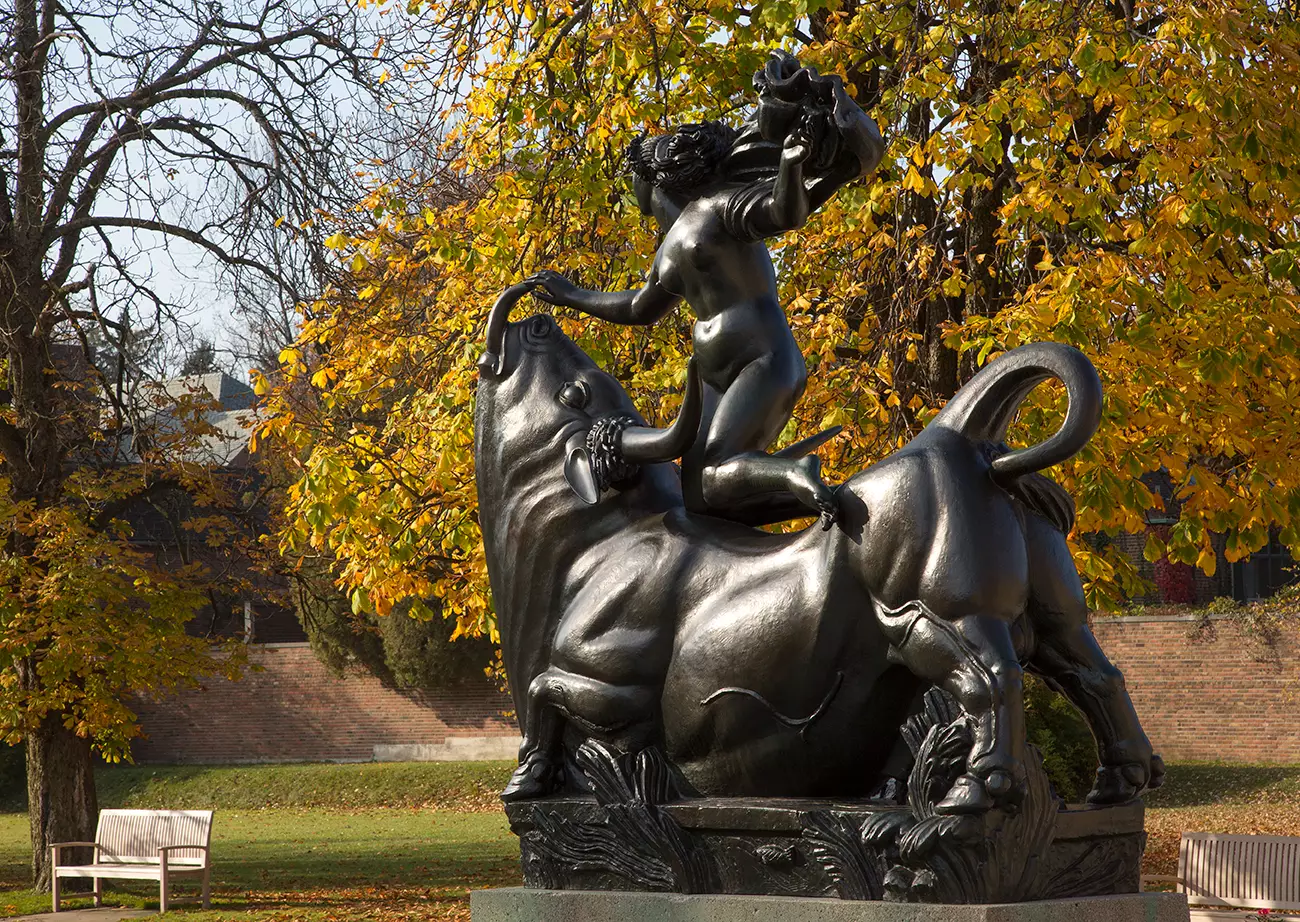
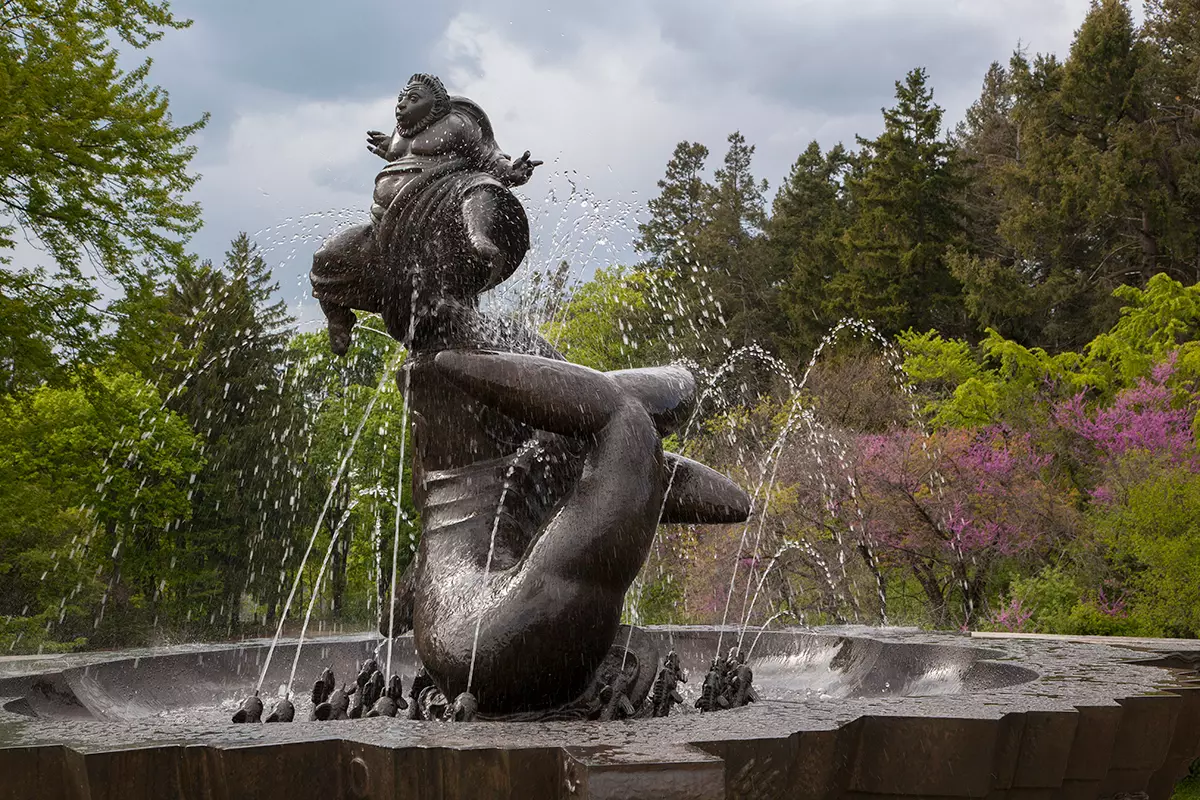
The campus community also includes a world-class art museum, a natural history museum, and a PreK-12 college preparatory school.
While designing the campus, Saarinen befriended Carl Milles, who lived on-site from 1931-1951 and was the first head of the Sculpture department. Milles filled the Cranbrook campus with unique sculptures and fountains during his time here, and Cranbrook is proud to have the largest collection of Milles sculptures outside of Millesgården in Sweden.
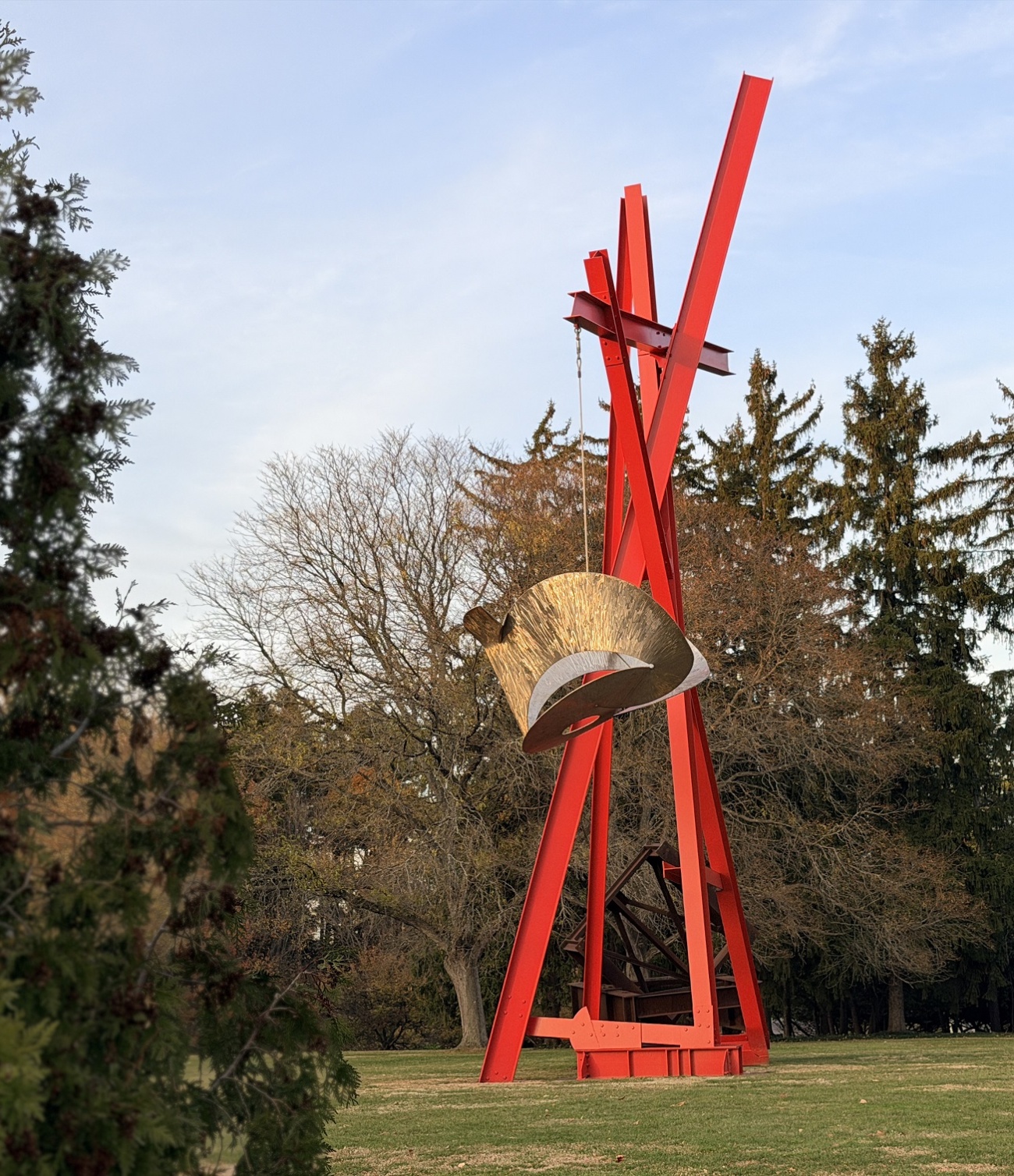
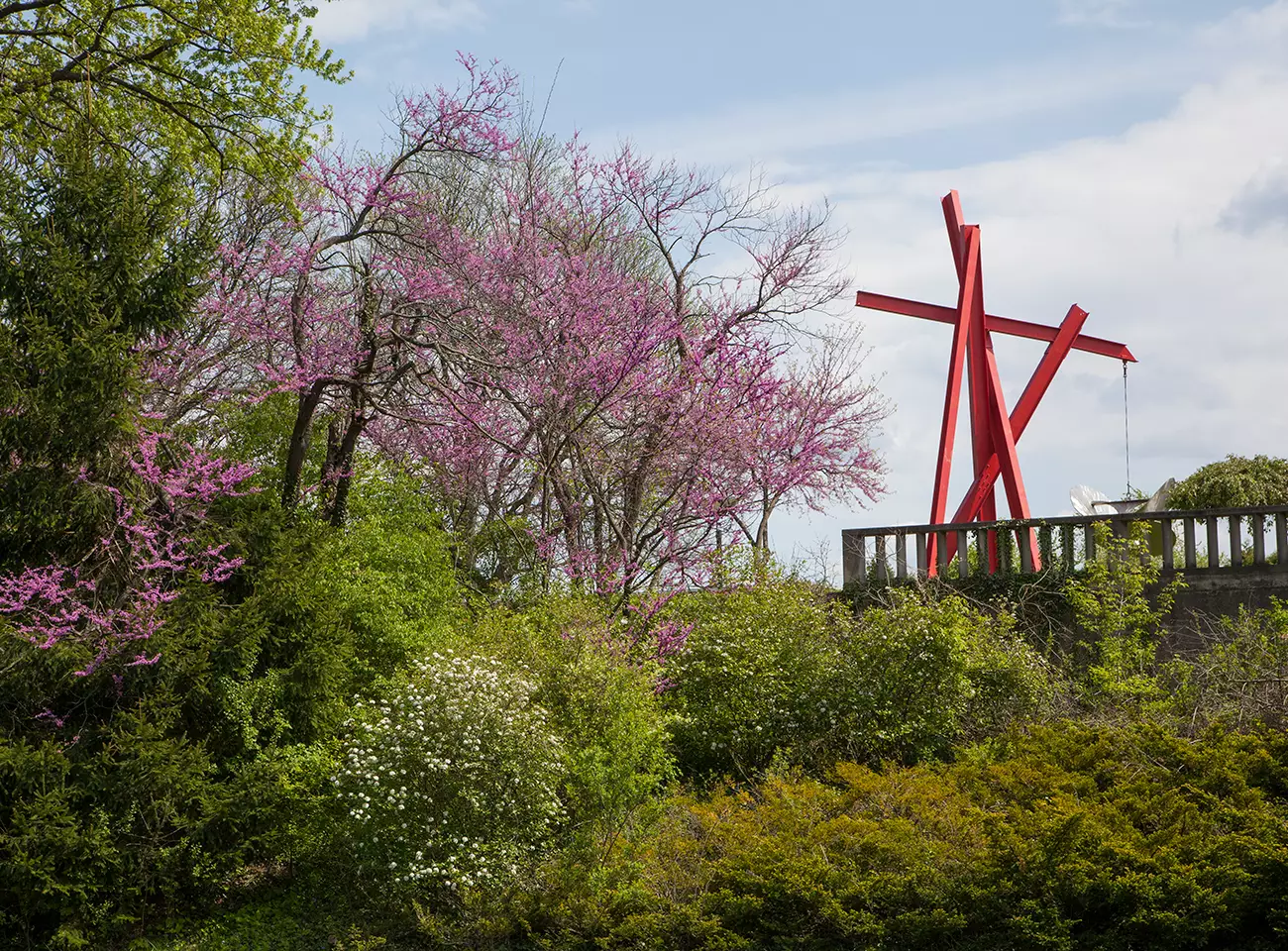
The sculptures by Carl Milles are complemented by works from Marshall Fredericks, Mark di Suvero and Michael Hall.
Joining Milles’ nearly 70 sculptures are works by other Cranbrook Academy of Art Artists-in-Residence and a significant gift to the community, “For Mother Teresa,” by Mark di Suvero.
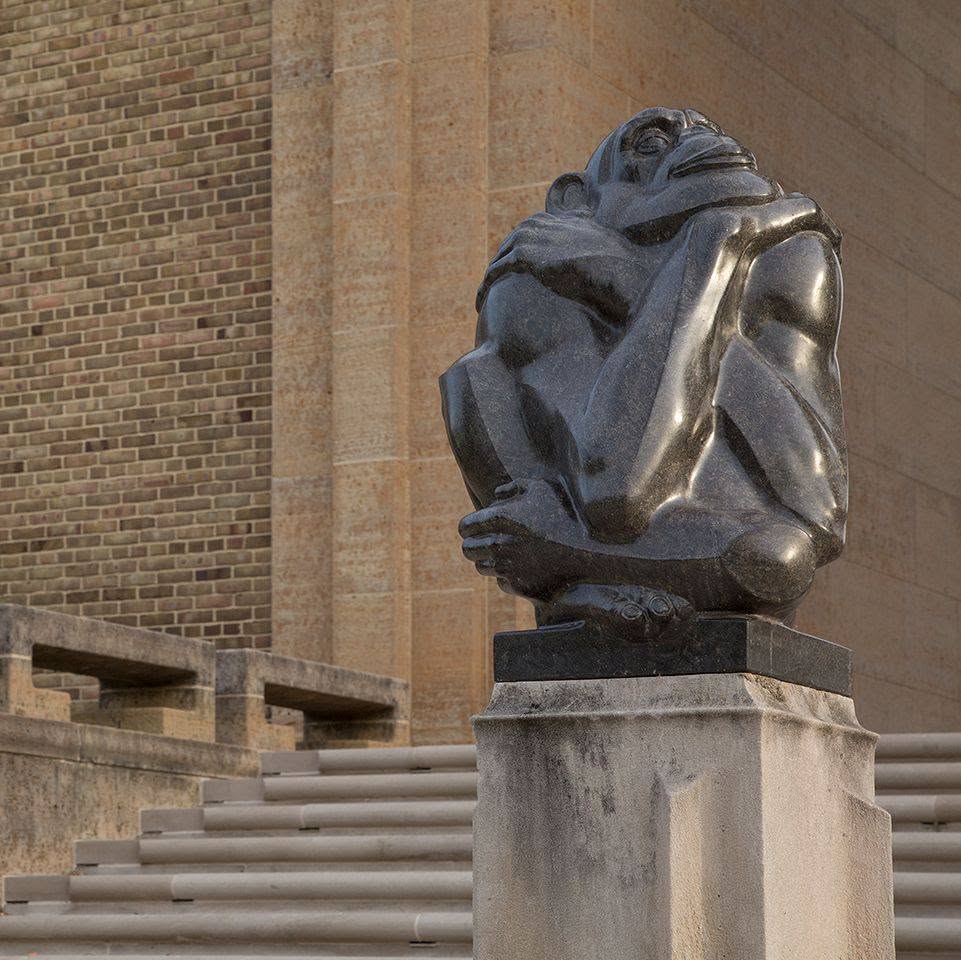
Marshall Fredericks studied with Milles and went on to teach at both Cranbrook Academy of Art and Cranbrook Kingswood. His “The Thinker,” a thoughtful monkey outside Cranbrook Art Museum, was created in response to founder George G. Booth’s request for a figure inspired by the Detroit Institute of Art’s Thinker by Auguste Rodin.
Several works by Michael D. Hall, known for his large-scale abstract metal sculptures, can also be located near or on the museum grounds. Hall was the Artist-in-Residence of Sculpture from 1970 to 1990.


Recent Campus Architecture
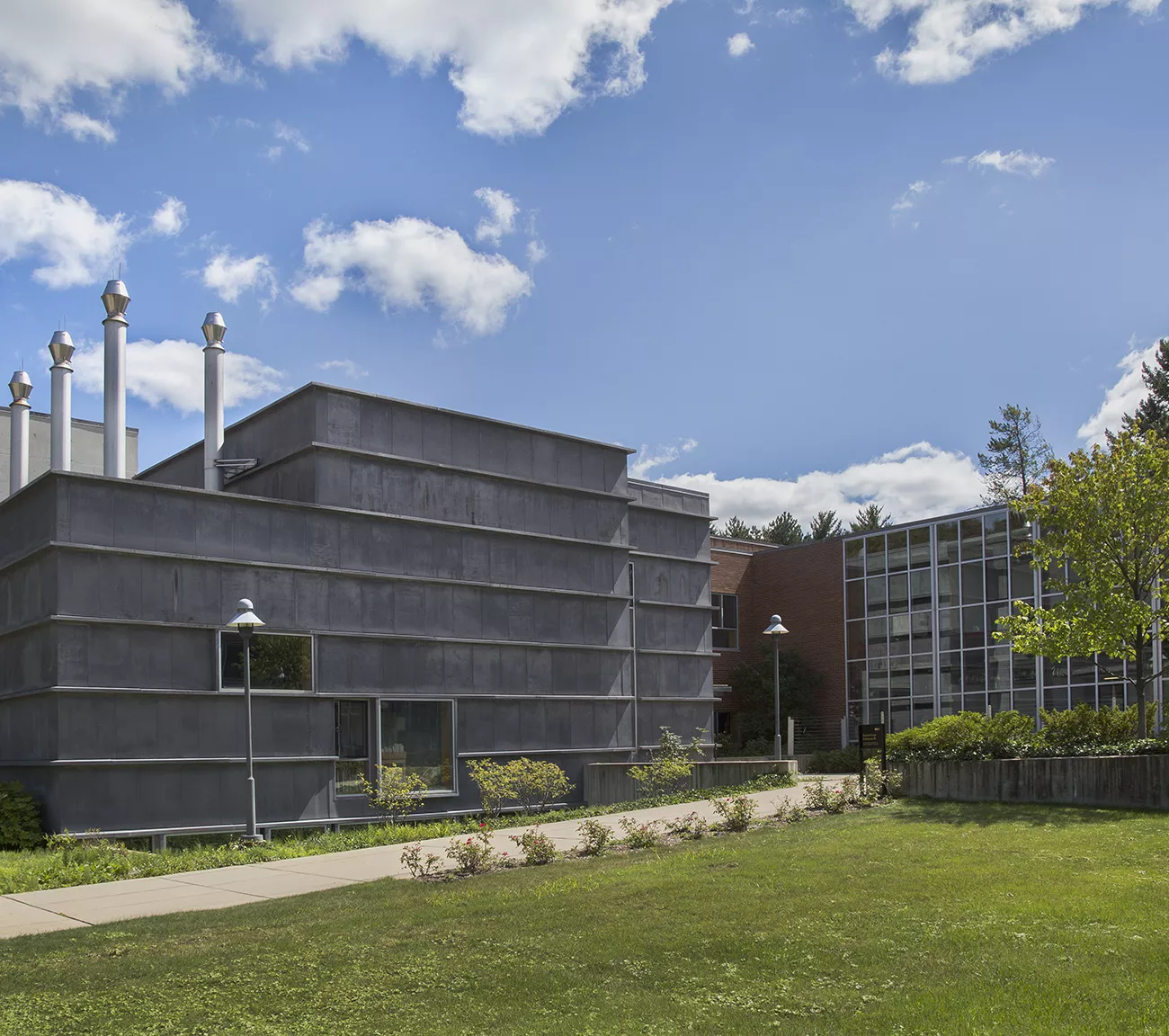
Recent additions to campus uphold the international standard of excellence set by Booth and Saarinen. Spanish architect Rafael Moneo designed the “New Studios Building” in 2002, Stephen Holl designed an addition to the Cranbrook Institute of Science in 1998, Tod Williams and Billie Tsien designed an award-winning natatorium in 1998-99, and the list continues to grow.
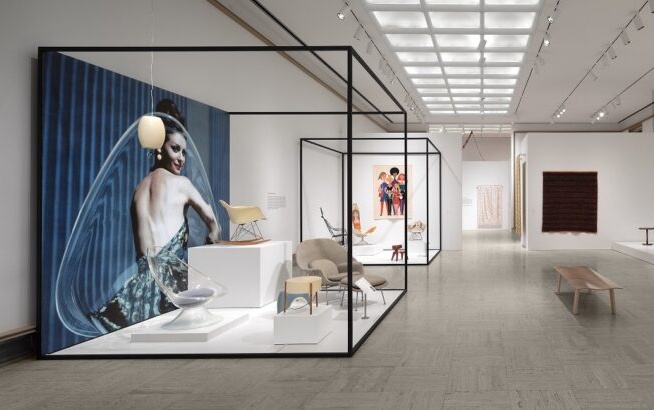
"Eventually Everything Connects: Mid-Century Modern Design in the US" (2025)
Photo by PD Rearick.
At the center of the Academy of Art is Cranbrook Art Museum, which offers a continuously shifting roster of exhibitions by contemporary artists and designers.
Our students and Artists-in-Residence live and work side-by-side in a true community fashion. While the campus is part of our long-standing legacy, it is always shifting – responsive to changing seasons, patterns of local wildlife and the influence of our creative community.